

Introduction
Snakes exhibit an incredible array of adaptations that allow them to thrive in diverse habitats, including extreme environments. These reptiles, ranging from desert snakes to their aquatic counterparts, have developed various traits that respond to the specific challenges posed by their surroundings. Studying such adaptations provides insight into evolutionary processes and biodiversity.
Habitat diversity plays a crucial role in the ecological niches that snakes occupy. For instance, desert snakes have evolved mechanisms for thermal regulation, enabling them to survive the scorching heat and harsh conditions of arid landscapes. Conversely, aquatic snakes have developed physical and behavioral traits that facilitate life in water, showcasing the versatility of these serpents.
Investigating the significance of venom adaptations sheds light on survival strategies employed by these animals. Venom not only aids in predation but can also serve as a defense mechanism against potential threats. Furthermore, many species utilize camouflage to blend seamlessly into their environments, enhancing their ability to evade predators and secure prey.
Understanding snake adaptations in such extreme habitats informs broader scientific research. Knowledge gained through these studies contributes to our comprehension of ecological balance and environmental changes. By examining these evolutionary traits, researchers can better appreciate the resilience and adaptability of life forms facing significant ecological pressures.
snake adaptations to Desert Environments
Desert snakes exhibit specific characteristics that enable them to thrive in harsh climates. Adaptations to extreme temperatures play a crucial role in their survival. Many species have evolved strategies for thermal regulation that help them maintain optimal body temperatures. By seeking shelter under rocks or burrowing into the sand, they stay cool during the hottest parts of the day.
Water conservation is a significant concern in arid landscapes. Some desert snakes have developed the ability to extract moisture from their prey. Additionally, they can tolerate dehydration better than their aquatic relatives. This adaptation allows them to survive in an environment where water is scarce. These evolutionary traits are essential for their long-term survival in such challenging conditions.
An example of a remarkable species is the Horned Desert Viper. Its body structure allows it to blend seamlessly with its surroundings. Camouflage plays a vital role in both avoiding predators and capturing prey. By mimicking the patterns and colors of the desert floor, this snake can ambush unsuspecting animals that come too close.
Predation pressures also shape the survival strategies of desert snakes. Some possess venom adaptations that are particularly effective in incapacitating prey quickly. This strategy is crucial given the energy demands of hunting in a resource-limited environment. Success in such ecological niches often hinges on the ability to hunt effectively while minimizing risk.
Habitat diversity within desert ecosystems supports a variety of snake species. Each snake has its unique niche, helping to reduce competition for limited resources. This specialization allows them to exploit different food sources and environmental conditions. Together, these factors create a dynamic interplay between species and their adaptations to extreme environments.
Through these various strategies, snakes have secured their place in many desert ecosystems. They stand as a testament to the remarkable resilience found in nature.
Aquatic Snakes and Their Unique Adaptations
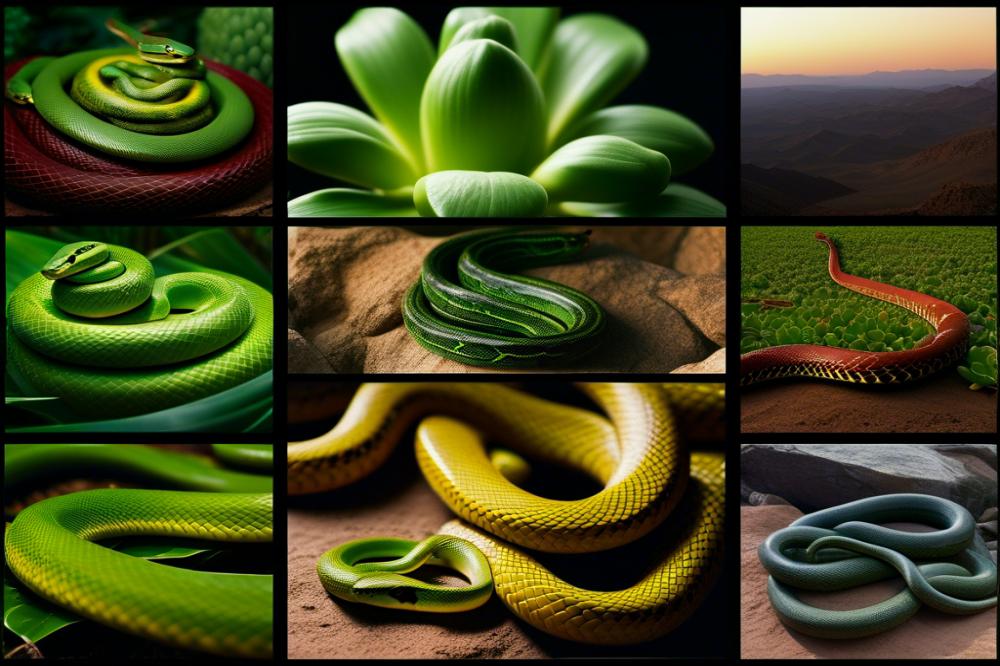
Aquatic snakes show remarkable adaptations that allow them to thrive in their watery realms. These adaptations include specialized swimming techniques and specific body modifications that facilitate life in an aquatic environment. For instance, the streamlined bodies of many sea snakes help them glide effortlessly through the water. Their elongated forms reduce drag, allowing for quick bursts of speed when necessary.
The lateral undulation is a primary swimming technique employed by these reptiles. By moving their bodies in a side-to-side motion, these snakes propel themselves efficiently. This method enables them to chase prey or evade predators with agility. Additionally, many aquatic species possess flattened tails, which function like paddles. This feature enhances maneuverability and stability in turbulent waters.
Consider the sea snake as a prime example of these adaptations. Its body is significantly longer and more flexible than that of many terrestrial species. Such a design allows it to navigate through corals and sea grasses with ease. Furthermore, this snake can hold its breath for extended periods, diving to significant depths in search of food.
Venom adaptations play a crucial role in their hunting strategies. aquatic snakes possess potent venom that immobilizes prey quickly. This trait is particularly beneficial when capturing fish and other marine organisms that are often faster and more agile than the snake itself. Once prey is subdued, the snake can consume it without much struggle.
Camouflage is another vital survival strategy among aquatic snakes. Their coloration often mimics the patterns of sand and coral reefs, allowing them to blend into their surroundings. This ability significantly increases their chances of ambushing prey and avoiding larger predators.
Thermal regulation also comes into play. Even in aquatic environments, these snakes must manage their body temperature. Some species bask on warm rocks or emerge briefly to absorb sunlight, maximizing their energy reserves. Such behaviors highlight their adaptability to varying environmental conditions.
Habitat diversity among aquatic snakes further illustrates their evolutionary traits. They inhabit a range of ecosystems, from freshwater rivers to coastal marine settings. This diversity allows them to exploit various ecological niches, ultimately enhancing their chances of survival. Each of these adaptations showcases the specialized nature of aquatic snakes, illustrating their incredible resilience to extreme temperatures and dynamic environments.
Thermal Regulation in Extreme Conditions
Snakes face significant challenges when dealing with extreme temperatures. These reptiles inhabit diverse environments, each presenting unique thermal hurdles. In the heat of the desert, many species exhibit behavioral adaptations that help them avoid overheating. For instance, desert snakes often burrow into the sand or hide under rocks during midday when temperatures soar. This shunning of direct sunlight allows them to regulate their body heat effectively, a critical factor for maintaining metabolic processes.
Aquatic snakes, conversely, deal with cooler temperatures in their environments. These snakes are frequently found in freshwater or ocean habitats where water temperatures can vary significantly. The cold can slow their metabolism and activity levels. Consequently, they have adapted by basking in the sun on warm rocks or floating vegetation. This behavior aids in elevating their body temperature to a more optimal level.
Physiological adaptations also play a role in thermal regulation. In some species, mechanisms that alter blood flow can assist in maintaining temperature. For example, peripheral blood vessels can expand or constrict based on external conditions, enabling the snake to either absorb warmth or shed excess heat. Such adaptations showcase how crucial evolutionary traits are to survival.
The impact of environmental temperatures extends beyond mere activity levels. Extreme climates influence not only behavioral patterns but also reproductive cycles. Some snakes time their breeding to coincide with warmer months. This strategy increases the chances of survival for hatchlings, as warmer temperatures can boost food availability.
Camouflage is another pivotal adaptation in extreme conditions. In the desert, snakes often blend seamlessly with the sandy landscape, which can provide protection from predators. This survival strategy is vital, especially when temperatures spike or drop unfavorably. Colors and patterns help them remain inconspicuous, maximizing their chances of escaping detection.
Different species have carved out their ecological niches through these adaptations. Venom adaptations can also play a role in thermal regulation. Some snakes utilize their venom not only for hunting but to manage prey that may affect their body temperature when consuming. Efficient hunting means they can secure food more quickly, which is necessary for energy management in fluctuating climates.
In summary, snakes have evolved diverse mechanisms for thermal regulation, showcasing their remarkable resilience. Behavioral and physiological traits allow them to navigate extreme temperatures, ensuring they can thrive despite harsh conditions. The diversity of habitats they occupy highlights their adaptability within various ecological contexts.
Venom Adaptations in Different Environments
Exploring venom adaptations reveals a fascinating aspect of snake biology. Snakes inhabit a variety of ecological niches, and their venoms reflect the pressures of these environments. In arid regions, desert snakes often possess potent neurotoxins. These substances quickly immobilize prey, allowing for efficient capture. Surviving in extreme temperatures, venom plays a critical role in both predation and defense.
Aquatic snakes showcase different evolutionary traits in their venom composition. These reptiles have adapted to their watery habitats with venoms that work effectively in the presence of water. For example, some species possess hemotoxins that cause significant tissue damage. Prey struggles to escape, making capture easier. This adaptation can be vital in murky waters where visibility is limited.
Chemical analysis of venom shows great variability across habitats. Snakes in diverse environments often evolve distinct venom profiles. Desert-dwelling species may have higher concentrations of neurotoxins compared to their forest-dwelling counterparts. Such differences ensure successful prey acquisition and deter potential predators. Many terrestrial snakes rely on camouflage to evade threats, while those in aquatic settings use their venom for defense against larger aquatic predators.
Thermal regulation further complicates these adaptations. In colder climates, faster-acting venoms can help snakes subdue prey quickly, maximizing feeding opportunities. Conversely, in hotter areas, slower-acting venoms might conserve energy. Understanding these survival strategies illustrates the intricate balance between evolution and environmental pressures.
Each snake species tells a story of how life can thrive under harsh conditions. As scientists delve deeper into habitat diversity, comparisons between venom mechanisms continue to reveal the complexity of life. Observations suggest that more research into ecological niches could uncover further adaptations. Insights gained will enrich our understanding of how venom facilitates survival across varied landscapes.
In conclusion, the adaptations of snake venoms are a result of evolutionary pressures shaped by their surroundings. There is still much to learn about the interplay of these factors. Future studies will likely reveal even more surprises in the realm of snake venoms.
Camouflage and Survival Strategies
Camouflage plays an essential role in the survival of snakes in extreme environments. It aids in both avoiding predation and enhancing hunting success. For snakes, blending into their surroundings is not merely advantageous; it is vital. Various techniques help these reptiles achieve this remarkable feat. They have evolved coloration and patterns that mimic their habitats, allowing them to remain undetected.
Desert snakes, for example, frequently exhibit tones that reflect the sandy landscape. The light beige and dusty browns allow them to hide among rocks and dunes. As a result, both predators and prey find it challenging to spot them. Aquatic snakes showcase a different form of adaptation through coloration that harmonizes with water environments. Shades of green and blue enable these snakes to remain concealed while stalking fish and amphibians.
In addition to coloration, patterns contribute to the effectiveness of their camouflage. Many species possess intricate markings that break up their outline. This technique can confuse potential threats and make detection arduous. For instance, the jagged patterns of certain rattlesnakes imitate the textures of stones and foliage. When motionless, they blend seamlessly into their surroundings.
Survival strategies extend beyond simply hiding. Snakes often use thermal regulation to their advantage during extreme temperatures. By blending in, they can bask in the sun or hide from its intensity without drawing attention. This behavior maximizes their foraging efficiency while minimizing risks. Additionally, venom adaptations serve as both offensive and defensive mechanisms, enhancing their effectiveness as predators while offering protection from larger threats.
Habitat diversity plays a crucial role in shaping these evolutionary traits. Different ecological niches demand distinct adaptations. Snakes living in forests may have patterns that resemble bark, while those populating wetlands often have darker hues to blend in with muddy waters. This vast variety showcases adaptability, allowing snakes to thrive in diverse environments.
Evolutionary Traits and Habitat Diversity
Snakes have developed an array of evolutionary traits that enhance their survival in various habitats. This adaptability is crucial as they inhabit distinct ecological niches, from dense rainforests to arid deserts. Habitat diversity plays a significant role in shaping these traits, allowing species to thrive in environments with extreme temperatures and conditions.
In tropical rainforests, snakes exhibit remarkable camouflage. Their ability to blend into the vibrant foliage is essential for both predation and evasion. Brightly colored patterns often confuse prey or deter potential threats. In contrast, desert snakes have evolved survival strategies to manage scarce water resources and extreme heat. Their coloration tends to be more subdued, reflecting the sandy environment. They spend much of the day hidden under rocks or burrowed beneath the surface to escape the harsh sun.
Aquatic snakes are another fascinating example of adaptability. These creatures exhibit physical traits suitable for a life in water. Streamlined bodies and flattened tails aid in swimming, while specialized glands help to manage salt from their marine surroundings. Some species possess venom adaptations that allow them to subdue fish and other water-dwelling prey effectively. Venom not only provides nutritional advantages but also facilitates their role within the aquatic ecosystem.
Thermal regulation is a critical factor for many snake species. Some snakes are ectothermic, relying on environmental heat sources to regulate their body temperatures. They bask in the sun to absorb warmth or seek shade to cool off. This behavior is particularly important for desert-dwelling species, which face fluctuating temperatures that can be detrimental to their physiology.
Ultimately, these evolutionary traits offer insight into how snakes have capitalized on habitat diversity. Different environments demand unique adaptations. For instance, while rainforest snakes utilize vibrant colors for communication and camouflage, desert snakes maximize their burrowing instincts to navigate arid conditions. The variety of habitats that snakes have colonized showcases the remarkable flexibility of these reptiles.
Final Thoughts on Snake Adaptations in Extreme Environments
Understanding the remarkable adaptations of snakes to extreme environments reveals the resilience inherent in these reptiles. They display various physiological traits that enable survival, whether in arid deserts or beneath the waters of lakes and rivers. For instance, desert snakes have developed special behaviors for thermoregulation and moisture conservation, allowing them to thrive in scorching conditions. Conversely, aquatic snakes have evolved features like flattened bodies and specialized lungs that enhance their swimming capabilities, enabling them to navigate complex water systems.
The significance of ongoing research in this field cannot be overstated. Investigating these adaptations deepens our appreciation of snake biology and ecology. Each finding contributes to a broader understanding of biodiversity and the intricate roles these creatures play in their ecosystems. Furthermore, as climate change and habitat destruction escalate, it becomes increasingly important to monitor these adaptations. This research can offer insights into how snakes may respond to changing environments and what that means for their survival.
Now is the time for action. Advocating for conservation efforts focused on preserving snake habitats is vital. Protecting these ecosystems will also benefit the myriad other species that share these environments. By fostering awareness and promoting research initiatives, we can contribute to a healthier planet. Each individual effort counts, and together we can help ensure a future where snakes continue to thrive in their diverse habitats.

